

Christmas Gaming: How to Avoid Family Arguments While Playing Board Games Over Christmas
Christmas: a magical time of twinkling lights, cosy jumpers, good food… and your uncle flipping the table because someone played a +4 on a +2 in UNO. Again.
But fear not! With a little preparation, a dash of self-awareness, and the willingness to burn your copy of Monopoly, you can enjoy peaceful festive gaming. We spoke to the Roll the Dice community and asked for their top tips for a blissful boardgaming break:
1. Start with the Most Radical Act of Peace: Make Sure Everyone Knows the Rules
Nothing triggers an argument faster than unclear rules—especially when house rules sneak in like uninvited elves. Make sure that if you are choosing the game, you already know how to play it!
Before you begin:
- Explain the rules simply.
- Highlight any house rules clearly and upfront.
- And settle the big one: Can you put a +4 on a +2 in UNO? Officially, no. But some households do.
Settle this now, or suffer later. - YouTube is your friend! Use channels such as the brilliant Watch It Played http://www.youtube.com/@WatchItPlayed to allow you all to learn, or recap, the rules together.

2. Know Your Family’s Bartle Types
You can avoid half of all game-night irritation by understanding why people play.
Bartle types include:
- Achievers – want points and victory.
- Explorers – poke every mechanic.
- Socialisers – here for the chat.
- Killers – delight in crushing everyone else.
If you know your cousin is a Killer and your gran is a Socialiser, you’ll understand exactly why your gran gets cross when he deliberately min-maxes every game.
3. Choose Cooperation Over Competition
Want harmony?
Pick co-op games—where everyone is fighting the game, not each other.
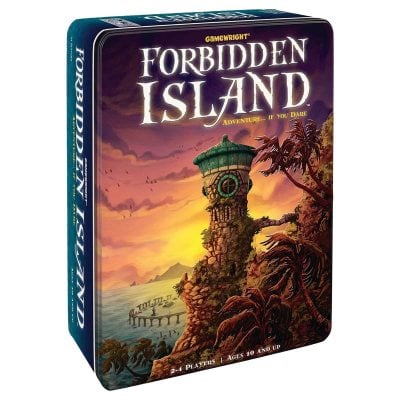
Spirit Island, Forbidden Island, Pandemic (or a kid-friendly equivalent) all turn “YOU sabotaged me!” into “WE sank together!”
And if you’ve got younger kids around, start them early with co-ops and gentle competitive games. One of our favourites was Would You Like My Cupcake?: adorable, wholesome, and almost impossible to fall out over.
4. Burn Your Copy of Monopoly
No, seriously.
Salt the ashes.
Scatter them.
Move on.
Monopoly was not designed for family bonding—it was designed as an anti-capitalist satire and somehow evolved into a rage engine.

5. Pick Games Where Kids Have an Advantage
Children often excel at:
- Cockroach Poker
- Poo Was It?
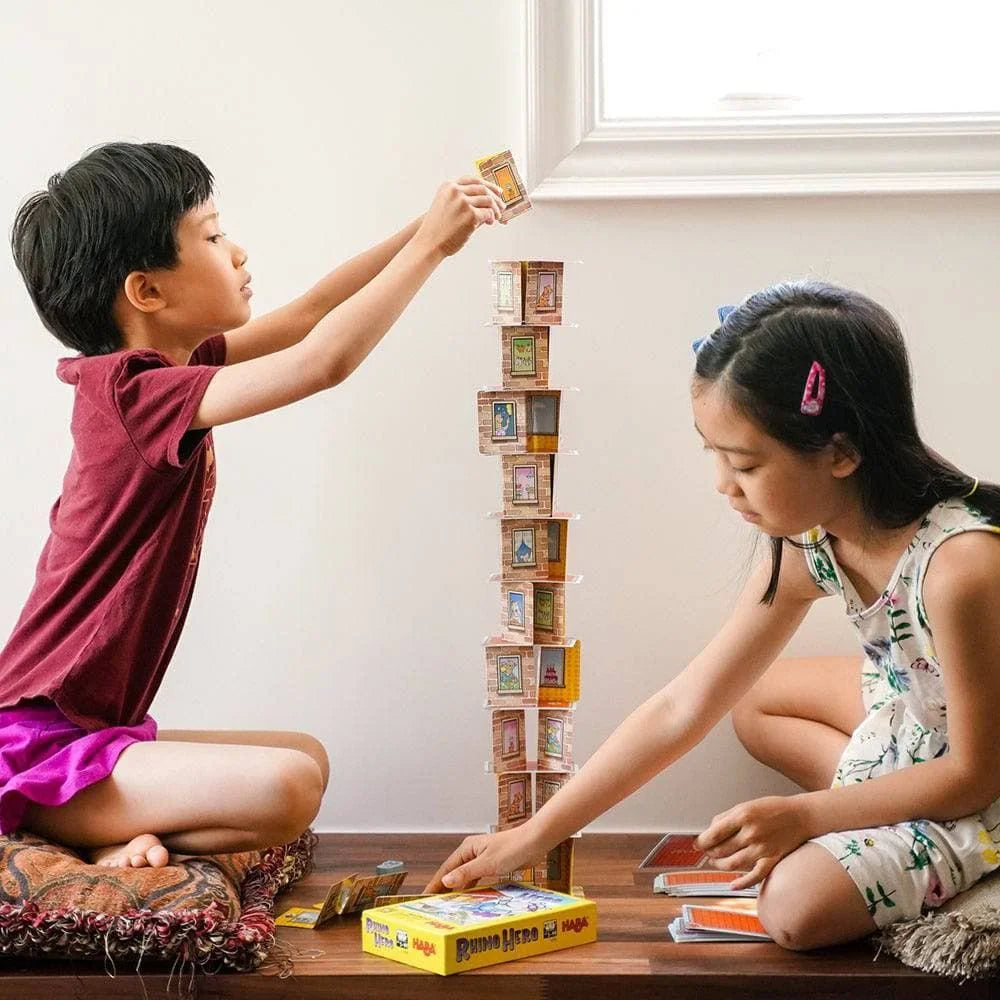
- Rhino Hero
These games level the field and let kids shine—brilliant for their confidence, and wonderfully humbling for adults. There is nothing wrong with all playing a game aimed at a younger audience!
6. Avoid Trivia Games (Unless You Want Politics at the Dinner Table)
Trivia games are a trap.
They will lead to:
- “That’s not the correct answer!”
- “How do you not know this?”
- “Actually, if you look at the geopolitical context—”
Save yourself. Choose chaos over conflict (see the next point).

7. Choose Games with Randomness and Chaos
Chaos is a great equaliser.
Dice rolls, random cards, unpredictable mechanics—these soften the blow of losing and prevent Uncle Barry from devising a 17-turn optimal strategy that ruins everyone’s night.
And please:
Do not confuse Happy Families and Cluedo unless you are deeply committed to pure, unfiltered chaos.

8. Don’t Play Games with People Who Don’t Want to Play
This sounds obvious, but you’d be amazed.
If someone doesn’t want to play, let them sit it out.
Forcing them guarantees bad vibes, slow turns, and eventually someone fake-coughing to “go check the food” permanently.

9. Keep Games Simple, Quick, and 5-Year-Old-Friendly
Treat every game like the players are five:
- Simple rules
- Short explanations
- Fast rounds
- No long waits
- Avoid complex systems
Even adults lose the will to live when the rules explanation takes longer than roasting potatoes.

10. Snacks. Always Snacks.
Board-game arguments are 40% rules disputes and 60% low blood sugar.
Have:
- Snacks for kids
- Snacks for adults
- Water
- Soft drinks
- And limit alcohol unless you’re balancing it with food and hydration
A well-fed family is a happy family.

11. Avoid Long Games
Someone always gets up to check on the oven, answer the door, or rescue the cat from the tree.
Long games = abandoned strategies, frustration, and someone shouting “WAIT, WHAT DID I MISS?!”
Stick to shorter, punchier games.
12. Remember: The Joy Is in the Playing, Not the Winning
This may be the hardest lesson.
Most of society tells us that being “number one” is the goal.
Great board games teach the opposite: the joy is in:
- The thrill of the dice roll
- The randomness of the board
- The cozy time together
- The moment you finally understand how a mechanic works
Winning is cool.
Playing is better.

13. But Also: Games Provide a Safe Space to Win
For people who struggle academically, physically, or emotionally, a game offers:
- Clear rules
- Fair boundaries
- Equal footing
In a messy, unpredictable world, games offer little pockets of order.
(Except Warhammer 40k. They don’t playtest. Obviously.)

Final Thought
If you choose the right games, manage expectations, keep everyone fed, and prioritise fun over victory, board games can be one of the warmest, happiest parts of the Christmas season.
Play for joy—not for dominance.
And seriously…
burn Monopoly.
A huge thank you to the Roll the Dice community for their suggestions for this blog post.